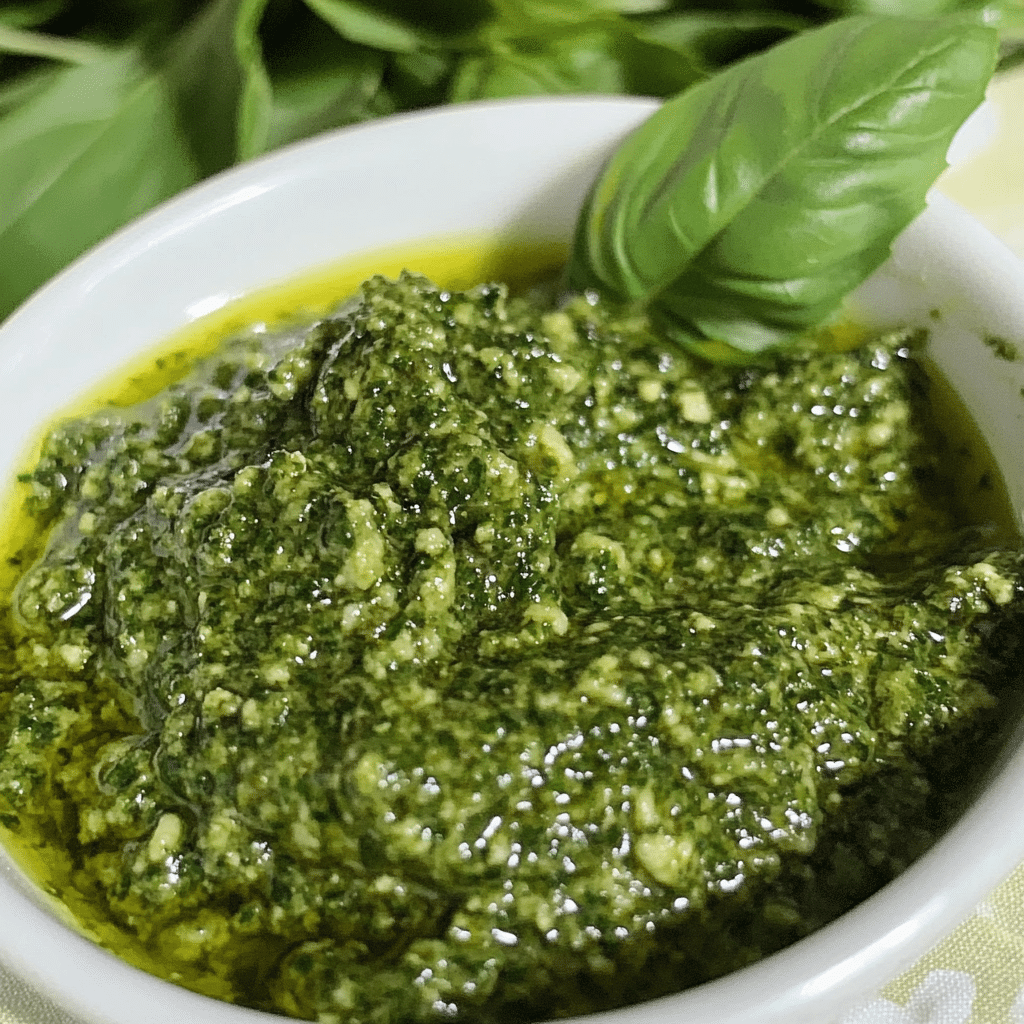
Summer Pesto Power: Elevate Meals with Fresh Basil Sauce
As the days stretch long and golden, beckoning us outdoors, our kitchens often follow suit, craving lighter, brighter flavors and simpler preparations. Summer isn't just a season; it's an invitation to savor the bounty of fresh produce, and few ingredients capture this essence quite like vibrant basil. When its aromatic leaves are at their peak, bursting with verdant energy, there's one culinary creation that stands above the rest: pesto. More than just a sauce, pesto is a revelation – a quick, easy, and incredibly flavorful way to infuse everyday meals with the taste of summer.
Imagine transforming a simple pasta dish, a grilled chicken breast, or even a humble scrambled egg into a gourmet experience with just a spoonful of this emerald elixir. Pesto’s magic lies in its ability to deliver an intense burst of fresh, herbaceous goodness that elevates almost anything it touches. While store-bought versions exist, nothing compares to the robust, nuanced flavor of homemade pesto. It's the ultimate secret weapon for delicious, lazy summertime cooking, and mastering the
classic pesto recipe is easier than you think.
The Authentic Heart of Flavor: Deconstructing the Classic Pesto Recipe
At its core, pesto is a rustic Italian paste-meets-sauce, originating from the Liguria region, specifically Genoa – which is why you often hear it referred to as Pesto Genovese. The name "pesto" itself is derived from the Italian word "pestare," meaning "to crush" or "to pound," a nod to its traditional preparation in a mortar and pestle. While modern convenience often brings out the food processor, the soul of the sauce remains in its simple yet powerful ingredients. To truly understand the allure of a
classic pesto recipe, let's explore its essential components:
- Fresh Basil: The Unquestionable Star
This isn't just any herb; it's *the* herb for pesto. Look for bright green, plump, and fragrant leaves, free from any brown spots or wilting. Summer is basil season, making it easy to find abundant bunches at farmers' markets or even your own garden. The fresher the basil, the more vibrant and aromatic your pesto will be.
- Garlic: The Pungent Kick
A few cloves of fresh garlic provide the necessary pungent counterpoint to the basil's sweetness. The amount can be adjusted to your preference, but don't skip it – it's crucial for depth of flavor.
- Pine Nuts: The Creamy Richness
These delicate nuts add a subtle creaminess and distinct, buttery flavor. While they can be used raw, lightly toasting them in a dry pan for a few minutes before adding them to your pesto can unlock a deeper, more complex nutty aroma.
- Extra Virgin Olive Oil: The Silky Binder
As with any Italian staple, the quality of your olive oil matters immensely. A good quality, cold-pressed extra virgin olive oil will lend a fruity, slightly peppery note that enhances all the other flavors and creates that luscious, emulsified texture.
- Parmigiano-Reggiano or Pecorino Romano: The Salty Umami
Aged Italian cheeses are essential for that characteristic salty, savory umami punch. Parmigiano-Reggiano offers a milder, nuttier flavor, while Pecorino Romano provides a sharper, more piquant note. Some traditionalists even use Fiore Sardo, a sheep's milk cheese, or a blend of two. For a vegan pesto, simply omit the cheese, and consider adding a tablespoon of nutritional yeast for a cheesy flavor substitute.
- A Pinch of Salt: The Flavor Enhancer
Just a touch of salt brings all the flavors into harmony. Sea salt is often preferred for its clean taste.
- A Splash of Lemon Juice (Optional but Recommended): The Brightener
While not strictly traditional in all Ligurian recipes, a small squeeze of fresh lemon juice can brighten the pesto's flavor profile and help maintain its vibrant green color.
Crafting Your Own Batch: A Step-by-Step Guide to the Classic Pesto Recipe
Making your own pesto is surprisingly simple and incredibly rewarding. While the traditional method involves a mortar and pestle – a meditative process that truly "bruises" the basil to release its oils – a food processor offers a convenient and quick alternative without sacrificing much flavor.
Here's how to whip up your own batch of this delightful sauce:
- Prep Your Foundations: In the bowl of your food processor, combine the pine nuts (toasted, if desired), garlic cloves, and a small squeeze of lemon juice (if using). Pulse several times until these ingredients are finely chopped but not yet a paste. This step ensures an even texture and prevents over-processing the basil.
- Introduce the Basil: Add your fresh basil leaves to the food processor. If you have a large quantity, you might need to do this in two batches to avoid overcrowding. Pulse again, using short bursts, until the basil is roughly chopped and combined with the nuts and garlic. Avoid continuous blending at this stage, as it can generate heat and bruise the basil, potentially leading to a bitter flavor or causing it to turn brown.
- Drizzle in the Oil: With the food processor running on low, slowly drizzle in the extra virgin olive oil through the feed tube. This gradual addition helps to emulsify the sauce, creating a smooth, cohesive consistency. Continue adding oil until your pesto reaches your desired texture – a rustic, chunky sauce, not a completely smooth puree.
- Finish with Cheese: Finally, add your grated Parmesan or Pecorino cheese (and nutritional yeast for vegan versions). Pulse briefly, just until the cheese is incorporated. Over-processing the cheese can make the pesto too dense.
- Taste and Adjust: Transfer your vibrant green pesto to a bowl. Taste it and adjust seasoning with salt as needed. Remember, the cheeses are already quite salty, so add judiciously.
This simple process results in a fresh, aromatic, and incredibly versatile sauce that's ready to elevate any meal. For more detailed instructions and creative ideas, consider exploring
Easy Classic Pesto: Fresh Basil, Simple Steps & Uses.
Beyond the Bowl: Creative Uses for Your Fresh Pesto Power
Once you've made your fresh batch of pesto, the culinary possibilities are virtually endless. This isn't just a pasta sauce; it's a flavor enhancer that can transform an array of dishes.
Here are some creative ways to use your homemade pesto:
- Classic Pasta Toss: The most iconic use! Toss freshly cooked pasta (spaghetti, linguine, or orecchiette work beautifully) with a generous dollop of pesto, a splash of pasta water, and a sprinkle of extra cheese.
- Grilled Vegetables: Brush pesto over corn on the cob, zucchini, bell peppers, or asparagus before grilling for an explosion of flavor.
- Sandwiches and Wraps: Spread a thin layer on bread instead of mayonnaise for a vibrant, flavorful boost.
- Eggs: Swirl a spoonful into scrambled eggs, an omelet, or dollop it on a fried egg for an instant gourmet breakfast.
- Pizza: Use it as a base sauce instead of tomato sauce, or drizzle it over a finished pizza for a burst of freshness.
- Roasted Potatoes: Toss crispy roasted potatoes with pesto for an herbaceous side dish.
- Soups and Stews: Stir a spoonful into a bowl of minestrone, tomato soup, or even lentil soup just before serving.
- Marinade: Use it to marinate chicken, fish, or tofu before grilling or baking.
- Dips and Spreads: Mix pesto into cream cheese, hummus, or Greek yogurt for a quick and flavorful dip or spread.
- Salad Dressing: Whisk with a little extra olive oil and vinegar for a unique dressing, or simply dollop it into a fresh green salad.
Preserving Pesto Perfection: Tips for Storage
The vibrant green color and fresh flavor of homemade pesto are part of its charm. However, basil tends to oxidize quickly, causing the pesto's surface to turn brown when exposed to air. To keep your pesto looking and tasting its best for longer, follow these storage tips:
- Refrigeration: Store your pesto in an airtight container in the refrigerator for up to 3-5 days. To prevent browning, press a piece of plastic wrap directly onto the surface of the pesto, ensuring no air pockets. Alternatively, pour a thin layer of extra virgin olive oil over the top before sealing the container. This creates a protective barrier.
- Freezing for Longevity: Pesto freezes beautifully, allowing you to enjoy summer's bounty all year long. Spoon pesto into ice cube trays and freeze until solid. Once frozen, pop out the cubes and transfer them to a freezer-safe bag or container. This way, you can easily grab a single serving whenever you need it. Frozen pesto can last for several months without significant loss of flavor or color.
For those interested in delving deeper into the heritage and craftsmanship of this Italian staple, a great resource is
Pesto Genovese: Crafting Authentic Italian Basil Flavor.
Embrace the Power of Pesto
The
classic pesto recipe is more than just a culinary instruction; it's an invitation to embrace fresh, seasonal flavors and effortless cooking. From its humble origins in the Ligurian region of Italy to its widespread popularity today, pesto continues to charm home cooks and gourmands alike with its potent combination of fresh basil, robust garlic, nutty pine nuts, rich olive oil, and savory cheese. It’s a testament to how simple, quality ingredients can combine to create something truly extraordinary. So, this summer, seize the opportunity to capture the essence of the season in a jar. With just a few minutes of effort, you can elevate countless meals, adding a touch of vibrant, aromatic magic to your plate. Your taste buds (and your summer meals) will thank you.