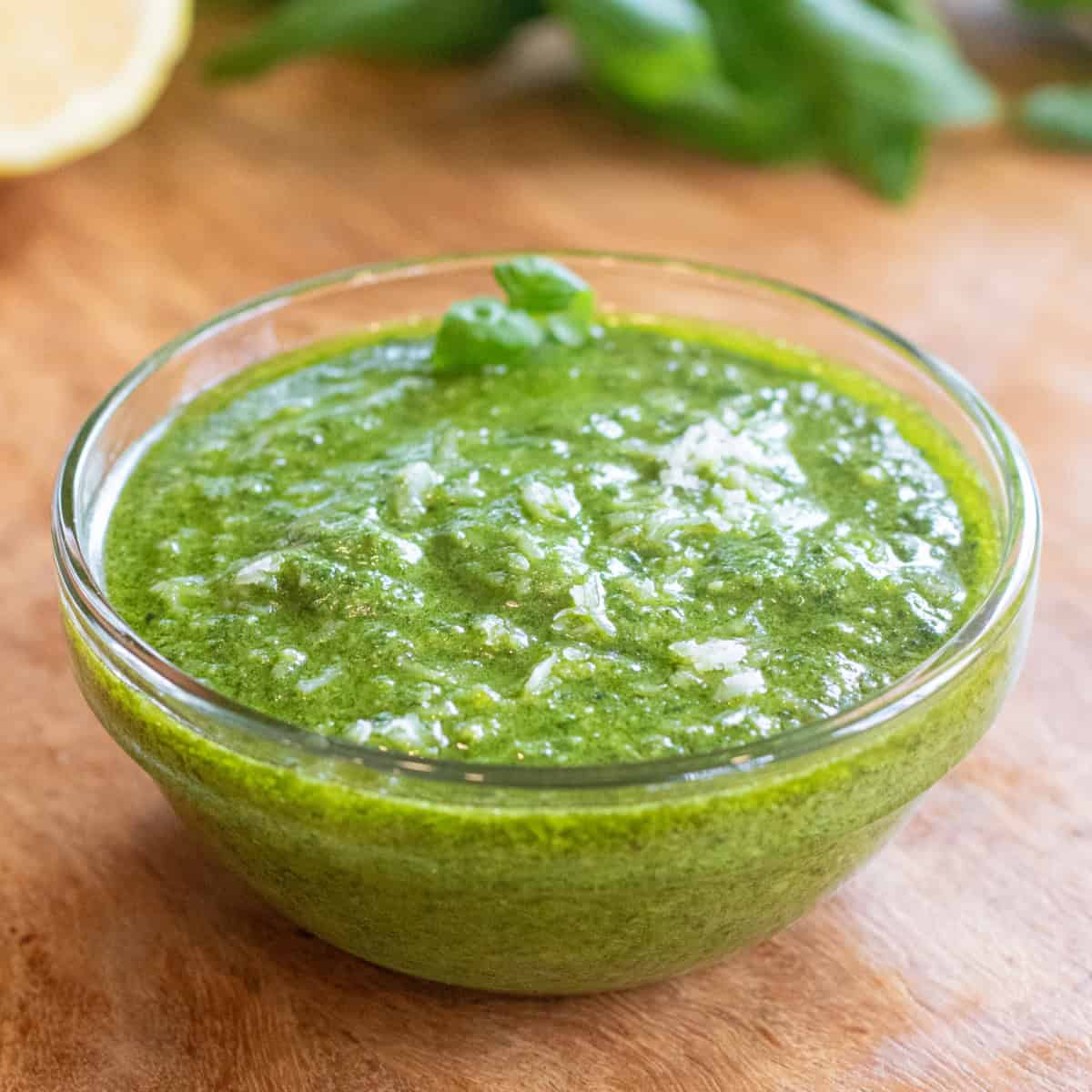
Imagine the vibrant green of fresh basil, the earthy aroma of garlic, and the rich nuttiness of pine nuts coming together in a symphony of flavor. That's the magic of a homemade classic pesto, a sauce so versatile and delicious it can transform any meal into a gourmet experience with minimal effort. While store-bought versions exist, nothing compares to the bright, zesty taste of a freshly prepared batch. Whether you're harvesting basil from your garden, or simply can't resist the fragrant bunches at the local farmers' market, mastering this simple yet profound sauce is a culinary reward.
This article will guide you through crafting the ultimate classic pesto recipe, demystifying the process and equipping you with the knowledge to create a sauce that will tantalize your taste buds and impress your dinner guests. Get ready to elevate your cooking with this quick, easy, and incredibly flavorful staple!
What is Classic Pesto, Anyway? A Glimpse into its Italian Roots
At its heart, pesto is more than just a sauce; it's a rustic Italian tradition. Originating from the picturesque Liguria region in northwest Italy, specifically Genoa (hence its common moniker, Pesto alla Genovese), this vibrant concoction is a celebration of fresh, local ingredients. The very name "pesto" is derived from the Italian verb pestare, meaning "to crush" or "to pound," a direct nod to the traditional method of preparing it with a mortar and pestle. This tool would slowly grind the ingredients, releasing their essential oils and creating a perfectly emulsified, chunky paste.
Historically, a true pesto alla Genovese adheres to a precise list of ingredients: fresh basil leaves, pine nuts, garlic, coarse salt, high-quality extra-virgin olive oil, and specific aged Italian cheeses like Parmigiano-Reggiano or Pecorino Sardo (a sheep's milk cheese similar to Pecorino Romano). While modern kitchens often opt for the convenience of a food processor, the essence of pesto remains the same: a powerful, aromatic blend designed to enhance a multitude of dishes. It's a testament to how simple, quality ingredients can create something truly extraordinary.
The Essential Ingredients for Your Best Classic Pesto Recipe
The beauty of a truly authentic classic pesto lies in the quality and freshness of its few, but mighty, ingredients. Each component plays a vital role in creating that signature vibrant flavor and texture.
- Fresh Basil: The Star of the Show
Pesto is, first and foremost, about basil. Seek out the brightest, most aromatic, and plumpest leaves you can find. Summer is prime basil season, so seize the opportunity to pick it fresh from your garden or look for lively bunches at your local market. Avoid any leaves with brown spots or signs of wilting, as these can impart a bitter flavor. Remember, the fresher the basil, the more exquisite your pesto will be. - Pine Nuts: The Creamy Crunch
These small, buttery nuts provide a delicate creaminess and a subtle, earthy flavor. While optional, lightly toasting your pine nuts in a dry pan for a few minutes until golden enhances their flavor significantly, adding an extra layer of depth to your pesto. Just be careful not to burn them! - Fresh Garlic: The Aromatic Punch
Garlic provides that unmistakable pungent kick that balances the sweetness of the basil and the richness of the oil. The amount is truly to your taste – some prefer a subtle hint, while others enjoy a bolder garlic presence. Start with one clove and add more if desired. - Aged Italian Cheeses: The Salty Umami
For authentic flavor, opt for Parmigiano-Reggiano or Pecorino Romano. Parmigiano-Reggiano offers a nutty, milder saltiness, while Pecorino Romano delivers a sharper, tangier, and saltier profile. Using a combination of both is a popular choice for a balanced flavor. While other hard cheeses like Asiago can be used, be aware they can alter the traditional taste. Always grate your cheese just before adding it for maximum freshness. - Extra-Virgin Olive Oil: The Liquid Gold
This is not merely a carrier; it's a crucial flavor component. Use a high-quality, fruity extra-virgin olive oil. Its rich, peppery notes will beautifully complement the other ingredients and contribute to the silky texture of the sauce. - Lemon Juice (Optional, but Recommended): The Brightness Factor
Though not strictly traditional in all pesto recipes, a small squeeze of fresh lemon juice can work wonders. It brightens the flavors, adds a touch of acidity to cut through the richness, and can also help prevent the basil from oxidizing and turning brown, keeping your pesto vibrant green for longer. - Salt: The Flavor Enhancer
A pinch of coarse salt helps to draw out the flavors of the basil and garlic and balances the overall taste.
Crafting Your Easy Classic Pesto Recipe: Step-by-Step Guide
While the mortar and pestle offer an authentic, meditative experience, a modern food processor makes creating this classic pesto recipe incredibly fast and easy without sacrificing flavor. Here’s how to do it:
Equipment You'll Need:
- A good quality food processor
- A rubber spatula
- A small pan (if toasting pine nuts)
The Simple Steps:
- Prepare the Nuts & Aromatics: If toasting pine nuts, do so now. Let them cool slightly. In your food processor, combine the cooled pine nuts, garlic cloves, and a small squeeze of fresh lemon juice (if using). Pulse several times until finely chopped. You want a coarse, sandy texture, not a paste.
- Introduce the Basil: Add the fresh basil leaves to the food processor. Pulse again, using short bursts, until the basil is finely chopped and well incorporated with the nut and garlic mixture. Be careful not to over-process the basil at this stage, as too much heat can make it bitter.
- Drizzle in the Olive Oil: With the food processor blade running on low, slowly drizzle in the extra-virgin olive oil through the feed tube. This gradual addition is key to emulsifying the oil with the other ingredients, creating a smooth, luscious sauce. Continue drizzling until the pesto reaches your desired consistency – it should be chunky yet pourable.
- Incorporate the Cheese & Final Seasoning: Turn off the food processor. Add the freshly grated Parmigiano-Reggiano and/or Pecorino Romano cheese. Pulse briefly, just a few times, until the cheese is mixed in. Avoid over-processing after adding the cheese, as this can make the pesto too dense. Taste and season with salt as needed. Remember, the cheeses add significant saltiness, so adjust accordingly.
That's it! In just a few easy steps, you've created a fresh, flavorful, homemade pesto. For a vegan version, simply omit the cheese.
Tips for the Perfect Pesto:
- Don't Overprocess the Basil: Over-blending basil can generate heat, which can bruise the leaves and make your pesto taste bitter or turn brown. Use short pulses.
- Toast Your Pine Nuts: This simple step adds incredible depth and nuttiness.
- Use Freshly Grated Cheese: Pre-grated cheeses often contain anti-caking agents that can affect the texture and flavor of your pesto.
- Taste and Adjust: Always taste your pesto before serving. You might want to add more salt, a little more lemon juice for brightness, or even an extra splash of olive oil for consistency.
- Embrace the Mortar and Pestle: If you have the time and equipment, try making a small batch traditionally. The slow grinding releases flavors differently, resulting in a slightly coarser, more intensely flavored pesto.
Beyond Pasta: Versatile Uses for Your Homemade Pesto
While pesto and pasta are a match made in culinary heaven, limiting this glorious green sauce to just spaghetti would be a grave injustice. Its bright, herbaceous, and savory profile makes it incredibly versatile, ready to perk up nearly any meal. Here are just a few ideas to inspire you:
- Grilled Vegetables: Dollop a spoonful over grilled zucchini, bell peppers, asparagus, or corn on the cob for an instant flavor boost.
- Toasted Bread & Sandwiches: Spread it on crostini, bruschetta, or use it as a flavorful condiment in your favorite sandwich or panini.
- Eggs: Swirl a little into scrambled eggs, omelets, or serve alongside a fried egg for a vibrant breakfast or brunch.
- Pizza: Use it as a base sauce instead of tomato, or drizzle it over a finished pizza for an extra layer of flavor.
- Soups & Stews: Stir a spoonful into minestrone, vegetable soup, or even a potato soup just before serving for a fresh, aromatic finish.
- Proteins: Spread it on chicken or fish before baking or grilling, or mix it into a marinade. It also pairs wonderfully with roasted potatoes or a baked sweet potato.
- Salads: Thin it with a little more olive oil or lemon juice to create a fantastic salad dressing, or simply toss a dollop into a potato or grain salad.
- Dips & Spreads: Mix it into hummus, cream cheese, or plain Greek yogurt for a quick and easy dip for veggies or crackers.
The possibilities are truly endless! Pesto is particularly fantastic for Summer Pesto Power: Elevate Meals with Fresh Basil Sauce, where it complements the light, fresh flavors of the season perfectly. And if you're keen to explore the regional specificities that make this sauce so special, dive deeper into Pesto Genovese: Crafting Authentic Italian Basil Flavor.
Storage & Longevity:
Your fresh classic pesto will keep for about 5-7 days in an airtight container in the refrigerator. To prevent the surface from oxidizing and turning brown, press a layer of plastic wrap directly onto the surface of the pesto before sealing the container, or pour a thin layer of extra-virgin olive oil over the top. For longer storage, pesto freezes beautifully. Spoon it into ice cube trays, freeze until solid, then transfer the frozen pesto cubes to a freezer-safe bag. It will keep for several months, ready to be defrosted and enjoyed whenever a pesto craving strikes!
Conclusion
Making your own classic pesto recipe is a truly rewarding culinary endeavor. It’s a testament to how a few high-quality, fresh ingredients, combined with simple steps, can yield an incredibly flavorful and versatile sauce. From its humble origins in Liguria to its widespread popularity today, pesto continues to charm palates around the globe. So, next time you see those vibrant basil bunches, don't hesitate. Embrace the freshness, get pulsing, and discover the unmatched taste of homemade classic pesto. Your everyday meals (and your taste buds) will thank you for it!
