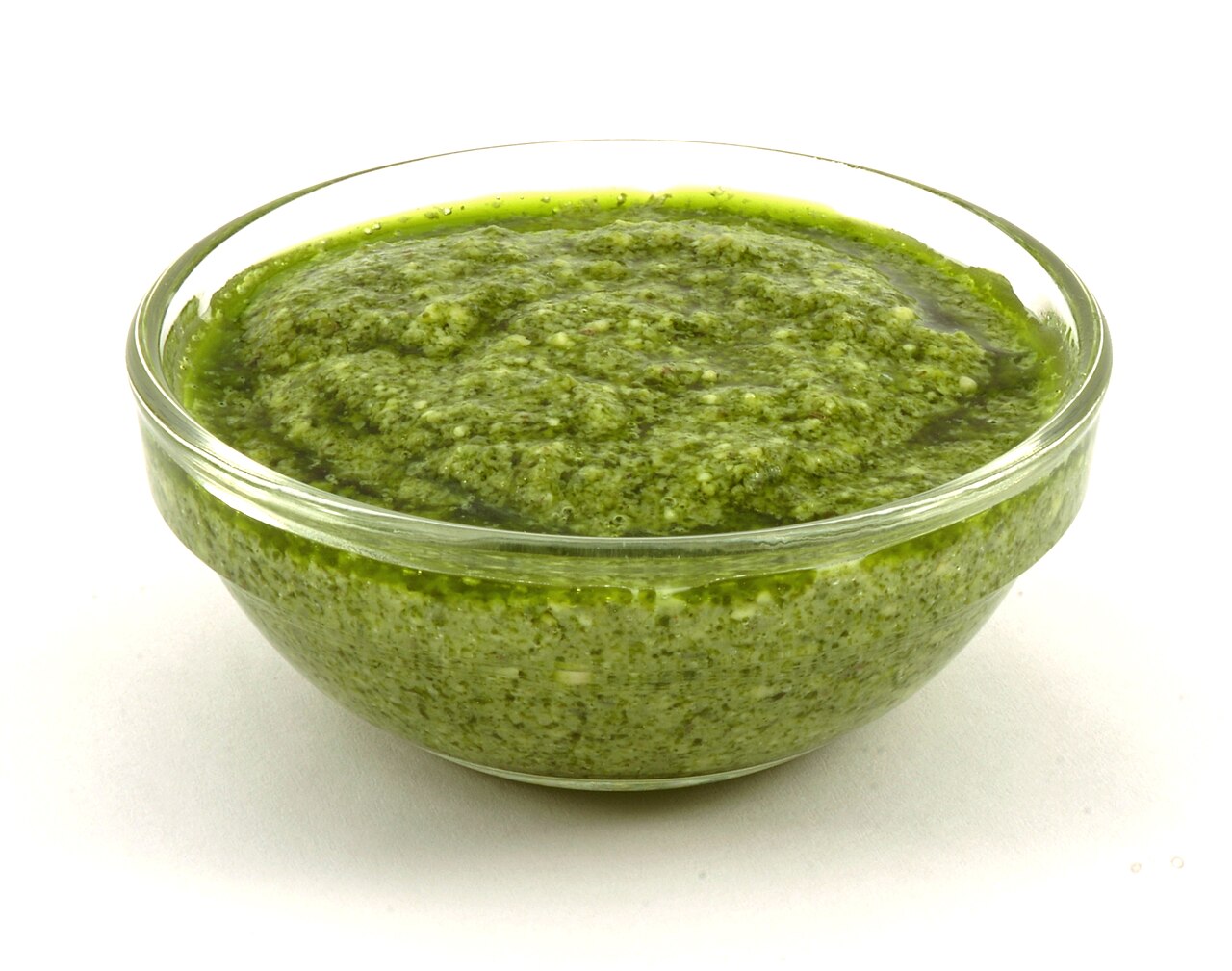
Pesto Genovese: Crafting Authentic Italian Basil Flavor
There are few culinary delights that capture the essence of Italian summer quite like Pesto Genovese. This vibrant green sauce, bursting with the fresh aroma of basil and garlic, is a testament to the power of simple, high-quality ingredients. More than just a condiment, a truly authentic
Easy Classic Pesto: Fresh Basil, Simple Steps & Uses transforms everyday meals into extraordinary experiences. If you've ever savored its rich, herbaceous notes, you know the magic it holds. But did you know crafting this iconic sauce at home is incredibly straightforward? With our guide to the
classic pesto recipe, you're about to unlock the secrets to a genuine taste of Liguria, Italy, right in your own kitchen.
The Soul of Italian Summer: What Makes Pesto Genovese So Special?
Pesto is more than just a sauce; it's a rustic Italian tradition. Originating from the picturesque Liguria region in northwest Italy, specifically its capital city, Genoa, this culinary masterpiece is why it's famously known as *Pesto Genovese*. The name "pesto" itself is a nod to its humble beginnings, derived from the Italian verb *pestare*, meaning "to crush" or "to pound." Historically, ingredients were painstakingly ground by hand in a marble mortar with a wooden pestle – a method some purists still swear by for its unique texture and depth of flavor.
What sets an authentic
classic pesto recipe apart is its unwavering commitment to freshness and the synergy of its core components. It’s a celebration of basil, arguably the king of summer herbs, combined with a carefully selected supporting cast that elevates its vibrant essence without overpowering it. This simple blend creates a sauce that is incredibly versatile, capable of invigorating everything from a humble bowl of pasta to grilled vegetables, sandwiches, and even eggs. Its quick preparation makes it a go-to for delightful, flavorful meals, especially when you have a bounty of fresh basil at your fingertips from your garden or the local farmers' market.
Unveiling the Essential Ingredients for an Authentic Classic Pesto Recipe
The beauty of a genuine
classic pesto recipe lies in its simplicity, making the quality of each ingredient paramount. Skimping here will undoubtedly compromise the final flavor, so invest in the best you can find.
*
Fresh Basil: The Verdant Heart
This is non-negotiable. For an authentic Pesto Genovese, seek out *Genovese basil*, known for its delicate leaves, sweet aroma, and lack of strong minty or anise notes often found in other varieties. Look for leaves that are bright green, plump, and free from any brown spots or wilting. Summer is prime basil season, so seize the opportunity to pick up beautiful bunches. The aroma alone should be enough to tell you if it's high quality. Avoid pre-packaged, bruised basil if possible; it often lacks the vibrant flavor essential for pesto.
*
Pine Nuts: The Creamy Crunch
Traditional pine nuts (pignoli) contribute a subtle, buttery flavor and a delicate creaminess to pesto. While some recipes suggest toasting them for added depth, many purists opt for raw pine nuts to maintain the pesto's fresh, green character. If toasting, do so gently in a dry pan until lightly golden and fragrant, then cool completely before adding. If pine nuts are out of reach, walnuts can be a less traditional but acceptable substitute, offering a slightly more robust, earthy flavor profile.
*
Garlic: The Pungent Kick
Fresh garlic is crucial for that characteristic savory depth and mild bite. The amount can be adjusted to your personal preference, but typically one or two small cloves are sufficient to complement, not dominate, the basil. Ensure your garlic is fresh and firm, avoiding any sprouted or soft cloves.
*
Aged Italian Cheese: The Salty Umami Boost
For authentic Pesto Genovese, the choice of cheese makes a significant difference.
*
Parmigiano-Reggiano: Often considered the gold standard, this hard, salty, granular cheese offers a rich, nutty, and savory complexity. Always grate it fresh from a wedge; pre-grated cheeses often contain anti-caking agents that affect texture and flavor.
*
Pecorino Romano: This sheep's milk cheese offers a sharper, saltier, and more piquant flavor. Some traditional recipes combine both Parmigiano-Reggiano and Pecorino Romano to strike a balance between nutty richness and tangy zing.
* Avoid softer cheeses or those with very strong, distinct flavors, as they can overshadow the delicate basil.
*
Extra Virgin Olive Oil: The Silky Binder
Just like basil, the quality of your olive oil is paramount. Use a high-quality, cold-pressed extra virgin olive oil, ideally from Liguria if you can find it. It should have a fresh, fruity, slightly peppery flavor. The oil binds all the ingredients together, creating that luscious, chunky sauce texture, and plays a crucial role in preventing oxidation.
*
Sea Salt: The Flavor Enhancer
A pinch of coarse sea salt helps to draw out the flavors of the basil and garlic, and balances the richness of the cheese and oil. Adjust to taste, remembering that the cheese also contributes significant saltiness.
Crafting Your Own Classic Pesto Recipe: Step-by-Step Guide
While a mortar and pestle offers a truly artisanal experience, for most home cooks, a food processor is the most practical and efficient tool for a delicious
classic pesto recipe. The key is to avoid over-processing, which can generate heat, bruise the basil, and lead to a bitter, brownish sauce.
Here’s how to make it in just a few easy steps:
1.
Prepare Your Ingredients: Gently wash and thoroughly dry your basil leaves. Moisture is the enemy of good pesto and will dilute its flavor and affect its texture. If using, lightly toast your pine nuts and let them cool completely. Grate your cheese.
2.
Pulse the Foundation: In your food processor, combine the pine nuts, garlic, and a pinch of coarse sea salt. Pulse until they are finely chopped but not a paste. Some prefer to add a tiny squeeze of lemon juice at this stage (not strictly traditional but can help brighten the flavor and preserve the green color).
3.
Add the Basil: Add the fresh basil leaves to the food processor. Pulse in short bursts, scraping down the sides as needed, until the basil is roughly chopped. Be careful not to over-process; you want a rustic, somewhat chunky texture, not a smooth purée. Over-processing can also bruise the basil, turning it dark.
4.
Drizzle in the Olive Oil: With the food processor running on a low setting or while pulsing, slowly drizzle in the extra virgin olive oil through the feed tube. This slow addition is crucial for emulsifying the oil with the other ingredients, creating that desired smooth yet chunky consistency. Continue until the sauce reaches your preferred texture.
5.
Incorporate the Cheese: Finally, add the grated Parmigiano-Reggiano (and/or Pecorino Romano) to the processor. Pulse briefly, just until combined. Avoid over-mixing the cheese, as this can make the pesto gluey. Taste and adjust for salt if necessary.
That’s it! You've just created your very own authentic Pesto Genovese.
Maximizing Your Pesto Experience: Storage and Creative Uses
Once you’ve mastered the
classic pesto recipe, you'll want to ensure you get the most out of your homemade creation.
Storage Tips: Keep It Fresh and Green
Pesto is best enjoyed fresh, but it can be stored for a few days in the refrigerator. The biggest challenge is preventing oxidation, which turns the vibrant green basil brown.
*
Airtight Container: Transfer your pesto to an airtight container.
*
Olive Oil Seal: Pour a thin layer of extra virgin olive oil over the surface of the pesto. This creates a barrier against air.
*
Plastic Wrap: Alternatively, press a piece of plastic wrap directly onto the surface of the pesto before sealing the container.
*
Refrigeration: Stored correctly, your pesto will stay fresh and green for 3-5 days in the fridge.
*
Freezing: For longer storage, pesto freezes beautifully. Spoon it into ice cube trays, freeze until solid, then transfer the pesto cubes to a freezer-safe bag or container. This allows you to thaw small portions as needed. It will keep for several months in the freezer.
Creative Culinary Uses: Beyond Pasta
While its most famous pairing is undoubtedly with pasta (especially trofie or trenette), the versatility of a
classic pesto recipe knows no bounds.
*
Pasta Perfection: Toss with your favorite pasta, a little pasta water for creaminess, and perhaps some cherry tomatoes or green beans.
*
Vegetable Enhancer: Dollop on grilled or roasted vegetables (zucchini, bell peppers, asparagus, potatoes).
*
Sandwiches and Wraps: Spread on bread, focaccia, or in wraps for an instant flavor boost.
*
Eggs: Swirl into scrambled eggs, omelets, or serve alongside a frittata.
*
Pizza Topping: Use as a base sauce for pizza or drizzle over a finished pie.
*
Soups and Stews: Stir a spoonful into minestrone or vegetable soup just before serving.
*
Marinade: Use as a marinade for chicken, fish, or shrimp before grilling or baking.
*
Dips and Spreads: Mix into hummus, ricotta, or cream cheese for a flavorful dip.
*
Bruschetta: Spread on toasted bread for a quick and impressive appetizer.
*
Salads: Drizzle over a Caprese salad or mix into a potato or bean salad.
Embrace the delicious possibilities!
Crafting an authentic Pesto Genovese is a rewarding experience that connects you to generations of Italian culinary tradition. With quality ingredients and these simple steps, you can create a vibrant, flavorful sauce that will elevate countless dishes. So go ahead, gather your fresh basil, and embark on your pesto-making journey. You'll soon discover why this
classic pesto recipe remains a beloved staple in kitchens worldwide. For more inspiration on how to use this incredible sauce, don't forget to explore
Summer Pesto Power: Elevate Meals with Fresh Basil Sauce to truly transform your summer cooking.